
Applying for a personal loan no longer requires sitting across from a loan officer or navigating stacks of paperwork at a bank branch. Today, Canadians can complete the entire process digitally, often in less than an hour, with clear visibility into each step. However, while convenience has improved, the responsibility of borrowing wisely remains the same.
Understanding how to apply for a personal loan online, what information lenders evaluate, and how to prepare in advance ensures that the experience supports your financial goals rather than creating unnecessary stress.
For many Canadians exploring personal loans Canada offers, the digital process can feel both efficient and unfamiliar. This guide walks through each stage carefully, clarifying what to expect and how to approach the decision with confidence.
Benefits and Features of Personal Loans
Personal loans continue to be one of the most versatile financial tools available because they offer flexibility without being tied to a specific purchase. Federal financial guidance explains that personal loans provide a fixed amount borrowed with structured repayment terms, helping borrowers plan repayment more effectively.
Unlike a mortgage or auto loan, which must be used for defined purposes, personal loans allow borrowers to address a range of financial needs. This flexibility makes them appealing for consolidating higher interest balances, covering planned expenses, or managing temporary cash flow gaps.
Another important feature is predictability. Most personal loans are structured with fixed repayment schedules, which means borrowers know exactly how much they will pay each month and when the obligation will end. This clarity makes budgeting more manageable and reduces uncertainty over time. For individuals evaluating a personal loan online in Canada, this structure can provide a sense of control that revolving credit products sometimes lack.
The appeal of personal loans is not simply speed or access. It is the combination of transparency, structure, and flexibility that makes them a practical borrowing option when approached responsibly.
Types of Personal Loans Available to Canadians
Before beginning the application process, it is important to understand the different types of personal loans available. The category you choose influences eligibility, interest rates, and repayment terms. Canada’s Financial Consumer Agency also provides an overview of the different types of loans available and how they function, helping borrowers compare options more confidently.
Unsecured personal loans are the most common. These loans do not require collateral and are approved based on your credit profile, income, and overall financial stability. Because the lender assumes more risk, interest rates may vary depending on your credit strength.
Secured personal loans require an asset as collateral, such as a vehicle or savings account. Since the lender’s risk is reduced, secured loans may offer more competitive rates. However, borrowers must carefully consider the implications of pledging an asset.
Installment loans are structured with fixed payments over a defined period, making them easier to integrate into monthly budgets. In contrast, short-term loan options may involve smaller amounts with faster repayment timelines, often suited for temporary financial needs.
Understanding these distinctions allows you to assess which structure aligns with your circumstances instead of applying without clarity. Responsible borrowing begins with selecting the right product for your situation.
How the Online Loan Application Process Works
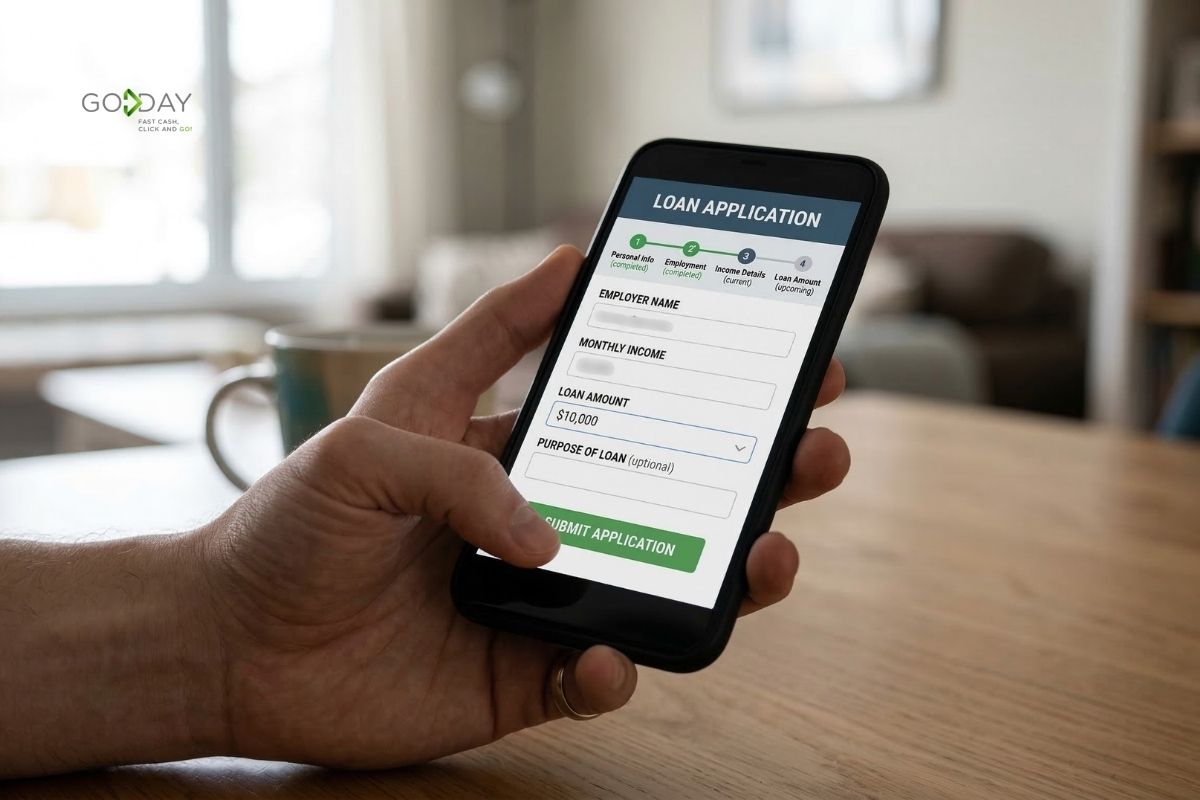
The online loan application process is designed to streamline access while maintaining proper review standards. Although digital, the core principles of lending remain unchanged. Lenders evaluate risk, and borrowers evaluate suitability.
The process typically begins with an application form that collects personal information such as your legal name, address, contact details, and employment status. You will then be asked to provide financial information, including your income, recurring expenses, and existing debts. This information helps lenders assess your ability to manage additional credit responsibly.
Once you submit your online loan application, the lender reviews the information provided. Some applications receive automated preliminary assessments, while others undergo manual review depending on complexity. If approved, you will receive a formal loan agreement outlining the interest rate, repayment schedule, fees if applicable, and total cost of borrowing. Only after reviewing and accepting these terms are funds disbursed, typically through direct deposit.
While some lenders promote quick loan approval, it is important to remember that speed should never replace careful evaluation. Taking the time to understand the agreement is part of informed decision making.
Eligibility and Requirements Explained Clearly
Eligibility requirements vary slightly between lenders, but most share common criteria. Applicants must be the age of majority in their province or territory and provide valid identification. Proof of income is generally required, whether through employment pay stubs, direct deposit records, or alternative documentation for self employed individuals.
Lenders also assess income stability and overall financial obligations. Existing debt levels, payment history, and credit profile contribute to the overall assessment. Having an active Canadian bank account is typically necessary for both verification and fund disbursement.
Understanding these requirements in advance reduces the likelihood of unnecessary applications. Each application can affect your credit profile depending on how it is processed, so applying selectively and thoughtfully is part of responsible borrowing.
What Lenders Evaluate During Approval
Many borrowers wonder what happens behind the scenes after submitting their application. Lenders review several key factors to determine eligibility and appropriate loan terms.
Credit history plays an important role. This includes your payment track record, credit utilization, and overall credit score. A strong history of timely payments signals reliability, while missed payments may influence loan terms.
Income consistency is equally important. Lenders want reassurance that you have stable earnings to support repayment. Debt to income ratios help determine whether the requested loan amount fits comfortably within your financial capacity.
Employment history, length of time at your current residence, and banking stability may also be considered. While marketing materials sometimes emphasize ease, approval decisions remain rooted in financial assessment.
Preparing in advance by reviewing your credit report and understanding your financial picture can improve both confidence and outcomes.
Interest Rates and Loan Terms: What to Expect
Interest rates vary based on credit strength, income stability, and the type of loan selected. Borrowers with strong credit profiles may qualify for more competitive rates, while others may receive adjusted terms reflecting higher perceived risk.
Loan terms influence both monthly payments and total repayment cost. Longer terms often reduce monthly payments but increase total interest paid over time. Shorter terms may result in higher monthly payments but reduce overall interest expense.
Canadian borrowers also have the right to receive clear disclosure of loan costs and terms before signing an agreement, as outlined here, which helps ensure transparency throughout the process.
When comparing borrowing options in Canada, it is essential to look beyond the monthly payment and examine the total cost of borrowing. Transparency around rates and terms allows borrowers to make decisions aligned with long term financial stability rather than short term convenience.
Using Loan Calculators and Planning Tools
Before applying, it is wise to model different scenarios using loan calculators. These tools allow you to estimate payments based on varying loan amounts, interest rates, and repayment periods.
By adjusting inputs, you can identify a monthly payment that fits realistically within your budget. This planning step reduces the temptation to borrow more than necessary and helps you approach the application with clear expectations.
Careful planning transforms borrowing from a reactive decision into a strategic one. Financial clarity before submission often leads to better outcomes afterward.
Preparing Responsibly Before Submitting
Preparation extends beyond gathering documents. It involves assessing why you are borrowing and how repayment fits into your broader financial picture. Financial guidance from Canada’s consumer protection resources emphasizes reviewing your budget and repayment ability before borrowing, which helps prevent financial strain later.
Reviewing your credit report ensures there are no unexpected errors. Organizing income documentation in advance speeds up verification if requested. Evaluating your monthly budget helps confirm that payments will remain manageable even if unexpected expenses arise.
If you are new to borrowing, consulting a first-time borrower guide can provide valuable context around credit checks, repayment expectations, and budgeting strategies. Entering the process informed reduces uncertainty and builds confidence.
Borrowing should never feel rushed. Thoughtful preparation creates a stronger foundation for approval and repayment alike.
Responsible Uses of a Personal Loan
A personal loan can support financial progress when used strategically. Many borrowers use loans to consolidate higher interest debt, simplifying payments while potentially lowering overall interest costs. Others use personal loans to manage planned life expenses or urgent repairs that cannot be postponed.
Exploring smart ways to use a personal loan encourages borrowers to align credit decisions with long term stability. Borrowing should ideally improve your financial position rather than create additional strain. Clear intention and realistic repayment planning are essential components of responsible use.
Frequently Asked Questions and Ongoing Support
Borrowers often have questions about timelines, credit checks, and documentation requirements. Most online applications provide status updates throughout the process, and reputable lenders offer support channels for clarification.
Questions about repayment flexibility, early payoff options, or changes in financial circumstances should be addressed before signing the agreement. Transparent lenders prioritize communication and clarity over urgency.
At GoDay, the focus remains on helping Canadians understand how to apply for a personal loan online with full awareness of expectations, timelines, and responsibilities. The goal is not simply access to funds but access to informed decision making.
Moving Forward With Confidence
Applying for personal loans online offers convenience, but confidence comes from preparation and understanding. When you know how lenders assess applications, what documents are required, and how repayment fits into your budget, the process becomes far less intimidating.
Canada’s financial education resources also emphasize that understanding debt and managing borrowing responsibly are key parts of long term financial health.
Digital lending has simplified access, yet the core principle remains unchanged. Borrow only what you need, understand the full cost, and ensure repayment aligns with your financial reality.
When approached thoughtfully, applying for a personal loan online Canada offers can be a practical step forward rather than a source of uncertainty. The key is clarity, preparation, and choosing lenders that prioritize transparency over pressure.