Managing personal finances in Canada has become less about discipline and more about navigation. Rising living costs, fluctuating interest rates, and unpredictable expenses have made it harder for many households to feel financially grounded. While most Canadians want to be intentional with their money, a surprising number still operate without a clear budget.
Budgeting apps help close that gap. They turn abstract numbers into visible patterns and transform financial stress into informed decision making. Whether you are tracking everyday spending, saving for a goal, or rebuilding stability after a financial disruption, budgeting apps Canada users rely on can play a meaningful role in shaping better outcomes.
This guide explores how budgeting apps work, which features matter most, how free and paid options compare, and which tools are best suited to different financial needs. More importantly, it reinforces why budgeting remains the foundation of long term financial confidence.
Why Budgeting Is a Financial Skill, Not a Restriction
Budgeting is often misunderstood as a limitation. In reality, it is a system for awareness. When money moves through multiple accounts, cards, subscriptions, and payment platforms, even high earners can lose track of how small decisions accumulate.
Budget apps Canada residents use provide visibility. They show where money goes, how frequently spending patterns repeat, and which habits quietly slow progress. Over time, this awareness strengthens money management basics, making it easier to adjust before problems escalate.
Budgeting also supports emotional clarity. Financial stress often comes from uncertainty rather than actual shortage. Seeing real numbers in one place replaces guesswork with confidence and helps Canadians make decisions from a position of control rather than urgency.
For a practical, government-backed overview of how budgeting improves financial decision making, the Financial Consumer Agency of Canada outlines core budgeting principles in its guide on how to make a budget.
What a Budgeting App Actually Does
A budgeting app is more than a digital ledger. It is a real time system that connects income, expenses, goals, and behaviour into one interface. Most Canadian budgeting apps securely sync with bank accounts and credit cards, categorizing transactions automatically and updating balances continuously.
This creates a live snapshot that reflects reality rather than estimates. Users can monitor spending trends, identify timing issues, and understand how fixed and variable expenses interact throughout the month. This clarity is especially useful when managing cash flow, as it highlights not just how much money is spent, but when it is spent.
For Canadians balancing rent, groceries, transportation, and debt payments, budgeting apps reduce manual effort while increasing accuracy. Instead of tracking after the fact, users gain the ability to respond in real time.
Key Features to Consider When Choosing a Budgeting App
Choosing a budgeting app is less about finding the most features and more about finding the right balance between insight and usability. An app that feels overwhelming will rarely become part of a daily or weekly routine, no matter how powerful it is.
Bank Syncing
Bank syncing is foundational. Automatic syncing ensures transactions are captured accurately and without delay, reducing the risk of forgotten expenses or misreported totals. For Canadians using multiple bank accounts or credit cards, reliable syncing prevents gaps that can distort financial decisions and undermine confidence in the data.
When evaluating budgeting tools, it is also important to understand how financial apps protect personal data. Equifax provides consumer-focused guidance on using apps securely, including cybersecurity considerations for financial tools.
Customizable Categories
Spending habits are personal, and rigid categories often fail to reflect real life. A strong budgeting app allows users to rename, merge, or create categories so budgets mirror how money is actually spent. This flexibility supports realistic budgeting and avoids unnecessary frustration when expenses do not fit neatly into predefined boxes.
Visual Reporting and Insights
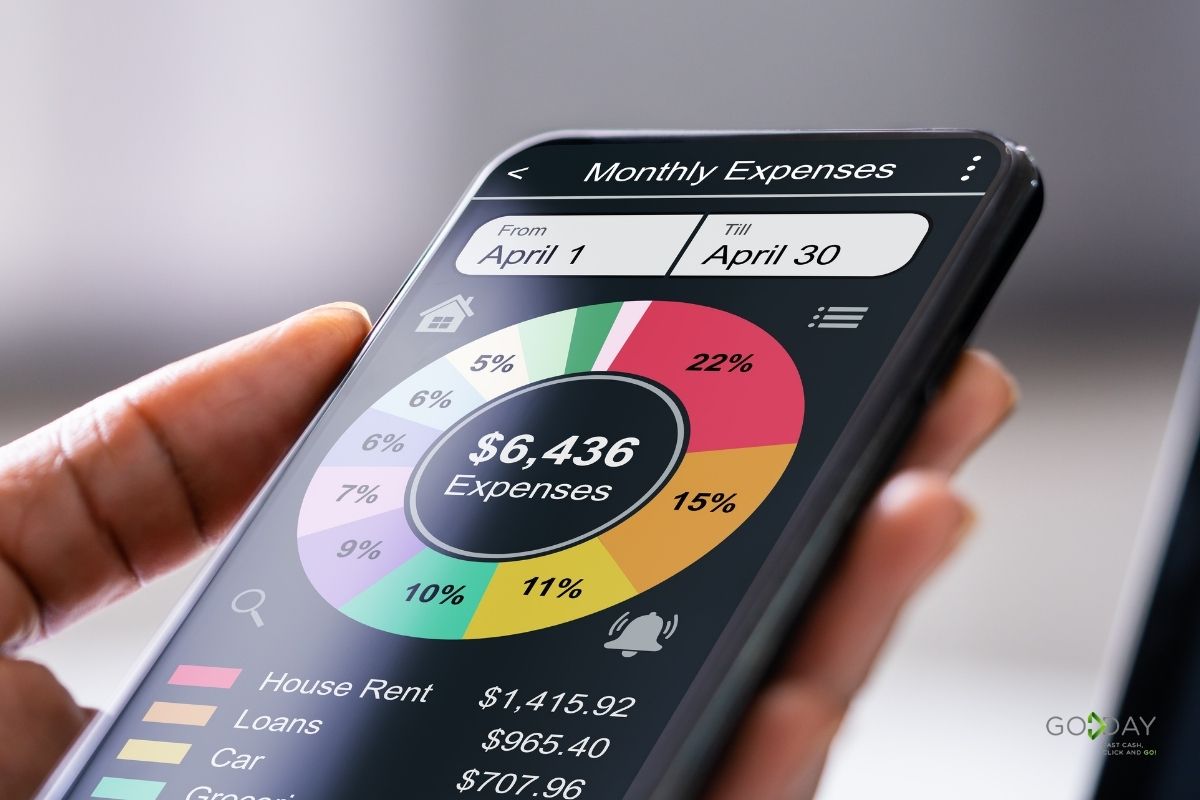
Clear visual reporting plays a significant role in long term engagement. Charts, summaries, and progress indicators help users interpret patterns quickly without needing financial expertise. Seeing trends over time reinforces consistency and helps users spot issues before they become problems.
Alerts and Notifications
Alerts and notifications act as guardrails rather than restrictions. Thoughtful reminders about approaching limits, upcoming bills, or savings progress help users stay aware without feeling micromanaged. This feature is especially useful for Canadians juggling variable expenses or irregular income.
Security and Data Protection
Budgeting apps handle sensitive financial information, making security essential. Strong encryption, secure authentication methods, and transparent privacy practices protect users and build trust. When security feels solid, users are more likely to engage fully with their budgeting process.
Together, these features support consistent monthly budget planning that adapts as income and expenses change.
Free vs. Paid Budgeting Apps in Canada
Free budgeting apps are often ideal for beginners or those with straightforward finances. They typically include expense tracking, basic categorization, and simple monthly summaries. For Canadians seeking awareness without complexity, these tools can establish strong foundational habits.
Paid budgeting apps offer greater depth. They often include goal forecasting, debt repayment modeling, shared household budgeting, and longer term planning tools. These features are particularly valuable for users managing multiple priorities or working toward defined financial milestones.
For Canadians who prefer guided structure, the Government of Canada also offers an interactive budget planner tool that mirrors many app features, including category tracking and personalized insights.
Comparison of Top Budgeting Apps Available in Canada
Not all budgeting apps serve the same purpose, even when they appear similar on the surface. Understanding how each app approaches budgeting helps Canadians choose tools that align with their habits rather than working against them.
YNAB (You Need A Budget)
YNAB is built around intention. Every dollar is assigned a job before it is spent, encouraging proactive decisions rather than reactive fixes. This structure helps users break paycheque to paycheque cycles and build stronger awareness around priorities.
The envelope-based philosophy behind this approach is widely recognized as an effective budgeting method.
PocketGuard
PocketGuard emphasizes simplicity and immediacy. It focuses on showing how much money is available after bills, savings, and necessities are accounted for. This approach reduces decision fatigue and works well for users who want clarity without detailed setup or constant adjustments.
Goodbudget
Goodbudget uses a digital envelope system that limits spending by category. This approach promotes intentional spending while remaining accessible. It is particularly effective for couples and families managing shared finances, as it improves transparency and reduces financial miscommunication.
KOHO
KOHO blends budgeting with a Canadian spending account. Real time transaction notifications, built in insights, and cashback features make it appealing for users who prefer an integrated experience.

Best Apps for Specific Needs
The best budgeting apps Canada offers depend on how you interact with money and what you want budgeting to support.
For Structured Planners
YNAB suits users who want rules, clarity, and long term discipline. Its framework supports habit change and is especially effective for those rebuilding stability or focusing on debt reduction.
For Simplicity and Awareness
PocketGuard works well for Canadians who want quick insight without complexity. It supports awareness while allowing flexibility, making it ideal for users who prefer light guidance rather than strict controls.
For Shared Household Budgets
Goodbudget supports collaboration and transparency. Its envelope system helps families and partners align priorities, manage shared expenses, and reduce friction around money decisions.
For Integrated Spending and Budgeting
KOHO appeals to Canadians who value convenience and immediacy. Its real time feedback supports awareness at the point of purchase, which can be particularly helpful for impulse control and day to day spending decisions.
Academic research supports the idea that personal finance apps can positively influence financial behaviour, especially for households managing limited resources. One peer reviewed study examining this relationship can be found here.
Budgeting as the Foundation of Financial Stability
Budgeting is rarely the end goal. It is the starting point. When Canadians understand their income, expenses, and timing, they are better prepared to respond to change.
This becomes especially important during periods when individuals consider short-term financial support. A clear budget provides context, helping people understand what is manageable and where adjustments may be required.
Budgeting also strengthens short-term financial planning by highlighting upcoming pressure points before they become emergencies. Instead of reacting, users can prepare.
At GoDay, budgeting is viewed as education, not judgment. Financial stability begins with awareness, and awareness begins with tracking.
Using Budgeting Apps Alongside Financial Support
Budgeting apps do not replace financial assistance. They complement it. When Canadians seek trusted financial support, having a clear understanding of income and expenses ensures decisions are grounded in reality.
Budgeting tools help users assess capacity, timelines, and repayment comfort. This clarity supports responsible decision making and reduces reliance on guesswork during financially stressful moments.
Summary and Recommendations
The best budgeting apps Canada offers all aim to provide clarity. The right choice depends on income style, spending habits, and financial goals.
Start simple. Build consistency. Add complexity only when it supports progress.
Budgeting is not about perfection. It is about awareness, adaptability, and confidence.
If you want to explore additional guidance or tools, you can also visit our FAQ page to learn more about budgeting, planning, and financial support options available through GoDay.
Strong financial habits are built one informed decision at a time.


