Budgeting is the process of creating a realistic plan for how your money will be earned, spent, saved, and managed over time. Strong budgeting habits help Canadians prioritize essential expenses, reduce unnecessary spending, prepare for emergencies, and make more confident financial decisions during both stable and stressful periods.
For many Canadians, budgeting has become less about achieving perfection and more about staying financially afloat. Rising grocery costs, housing expenses, transportation prices, and fluctuating income have made monthly financial planning increasingly difficult. Even households with steady employment are finding that financial flexibility matters more than ever.
According to Statistics Canada’s Let’s Talk About Money report, many Canadians continue to experience financial stress related to rising living costs, debt pressure, and managing everyday expenses.
The reality is that most people do not struggle financially because they are irresponsible. More often, they are navigating a combination of rising living costs, unexpected expenses, debt payments, and spending habits that slowly become difficult to manage over time.
At GoDay, we understand that financial pressure can happen gradually. That is why practical budgeting strategies matter. A strong budget is not designed to restrict every part of your life. It is meant to create awareness, stability, and flexibility while helping you build healthier long-term financial habits.
What You’ll Learn
- Why budgeting feels harder for Canadians today
- How to track and adjust your spending realistically
- Practical ways to reduce unnecessary expenses
- Why savings automation can improve financial stability
- How to control spending habits without extreme restriction
- Strategies for managing debt payments more effectively
- Why accountability and motivation matter financially
- How flexible financial support may help during temporary shortfalls
- Long-term budgeting habits that support financial stability
- Budgeting Starts With Awareness, Not Restriction
Many people avoid budgeting because they assume it means cutting out everything enjoyable. In reality, sustainable budgeting works best when it focuses on awareness rather than punishment.
A realistic budget should help you:
- Understand where your money is going
- Prioritize essential expenses
- Reduce financial surprises
- Build healthier spending habits
- Create room for savings gradually
- Improve long-term financial stability
One of the biggest problems Canadians face is underestimating how small expenses accumulate over time. Subscription services, delivery fees, impulse purchases, convenience spending, and recurring monthly costs often grow quietly in the background.
Understanding how impulse spending quietly hurts your budget can help identify some of the financial patterns that slowly pull budgets off track without people fully realizing it.
Tracking and Adjusting Your Budget
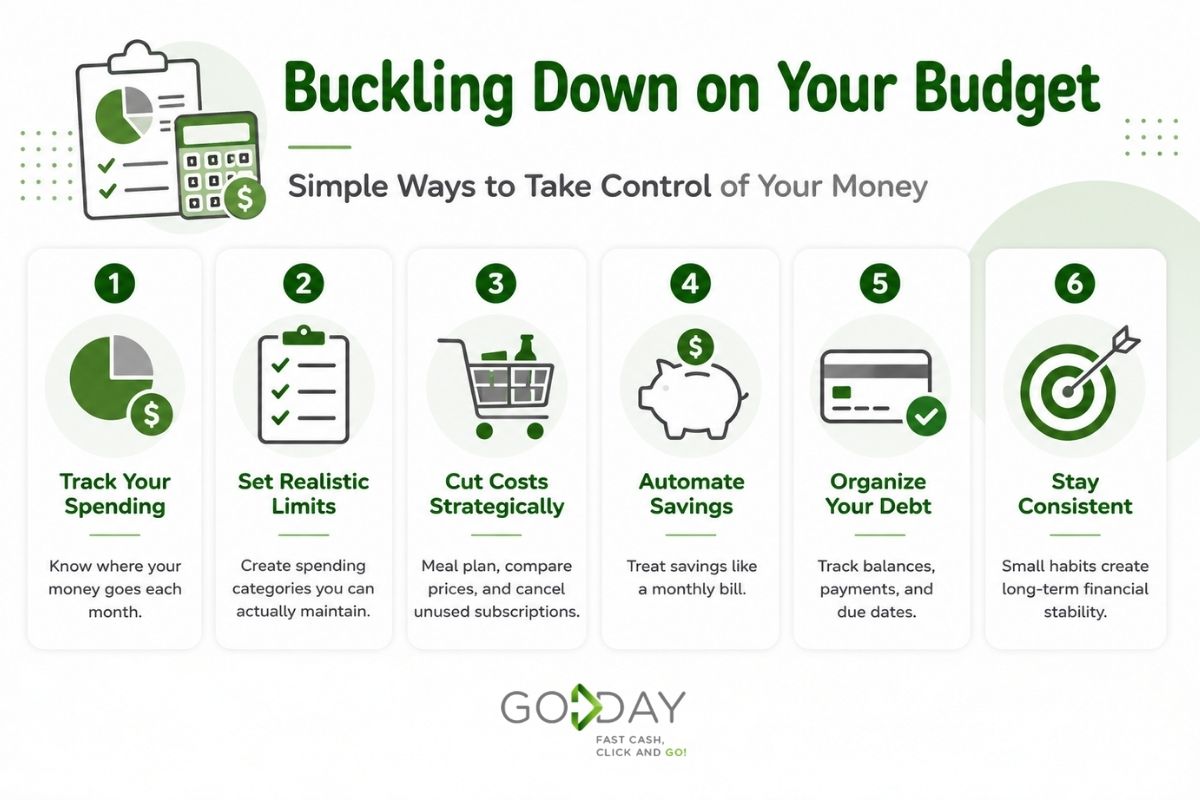
A budget only works when it reflects reality accurately. Many people know approximately how much they earn each month but have a much harder time identifying where their money actually goes. Tracking expenses consistently is often the first major step toward regaining financial control.
This does not need to be complicated. Some Canadians prefer budgeting apps, while others use spreadsheets, notebooks, or banking tools. The important part is consistency.
Start by separating expenses into categories such as:
- Housing
- Utilities
- Groceries
- Transportation
- Insurance
- Debt payments
- Savings
- Dining out
- Entertainment
- Miscellaneous purchases
Tracking spending patterns often reveals opportunities for improvement without requiring major lifestyle sacrifices.
The Financial Consumer Agency of Canada’s Budget Planner is one example of a free tool Canadians can use to organize expenses, savings goals, and monthly financial planning more clearly.
Setting and Managing Budget Limits Realistically
One reason many budgets fail is because they are too aggressive from the beginning. Completely eliminating all non-essential spending may feel productive initially, but overly restrictive budgets often become unsustainable quickly. Most people eventually return to old spending habits because the budget itself feels impossible to maintain.
Instead, focus on realistic limits that still allow room for flexibility.
For example:
- Set weekly dining-out limits
- Reduce unnecessary subscriptions gradually
- Create monthly discretionary spending categories
- Plan larger purchases ahead of time
- Use separate spending accounts when helpful
The goal is not to remove enjoyment from your life. The goal is to create a healthier balance between spending, saving, and financial obligations.
The Government of Canada’s budgeting guidance recommends building budgets that prioritize essential expenses first while still allowing flexibility for changing financial circumstances and unexpected costs.
Reducing Everyday Costs Without Feeling Deprived
Reducing expenses does not always require dramatic lifestyle changes. Small adjustments made consistently often create meaningful savings over time.
Some practical money saving strategies Canada households frequently use include:
- Meal planning to reduce food waste
- Comparing grocery prices more carefully
- Reviewing insurance or phone plans annually
- Lowering unnecessary energy usage
- Avoiding impulse online shopping
- Waiting before making non-essential purchases
- Cancelling unused subscriptions
Financial improvement often comes from smaller repeated decisions rather than one major financial reset.
Statistics Canada’s Consumer Price Index data continues to show how inflation and rising household costs are affecting everyday budgeting decisions across the country.
This becomes especially important during periods where costs increase unexpectedly or income becomes inconsistent.
For Canadians managing variable income streams, learning how to budget around inconsistent monthly income can help create more stability even when earnings fluctuate month to month.
Automating and Prioritizing Savings
Saving money feels difficult when budgets already feel stretched thin. However, savings rarely happen consistently without intentional planning.
Automation removes some of the emotional decision-making involved with saving money.
Even smaller automatic transfers can gradually improve financial stability over time.
This may include:
- Weekly automatic savings transfers
- Emergency savings accounts
- Automatic debt payments
- Separate savings for annual expenses
- Automatic investment contributions
Treating savings like a fixed monthly expense often improves consistency significantly. Many Canadians believe they need to save large amounts immediately for savings to matter. In reality, smaller savings buffers can still reduce financial stress substantially during unexpected situations.
Debt Management Requires Organization First
Debt becomes far more stressful when people avoid looking at it entirely.
A realistic budget should include a full picture of:
- Credit card balances
- Loan payments
- Interest rates
- Minimum payments
- Due dates
- Lines of credit
- Buy-now-pay-later balances
Once organized, repayment strategies become easier to build. Some Canadians focus on high-interest balances first, while others prioritize smaller debts for motivational momentum. Both approaches can work if payments remain consistent.
The important part is understanding your overall financial picture honestly rather than avoiding it completely.
The Government of Canada’s debt management resources encourage Canadians to review repayment timelines, balances, and borrowing costs regularly to improve long-term financial stability.
In situations where temporary financial gaps appear unexpectedly, some Canadians explore GoDay online payday loans as one possible short-term solution while working to regain financial balance responsibly.
Motivation and Accountability Matter More Than Most People Realize
Budgeting is not purely mathematical. Spending habits are often emotional and behavioural.
Stress, boredom, anxiety, social pressure, and exhaustion all influence financial decisions. This is why accountability and motivation play such important roles in long-term financial improvement.
Some people benefit from:
- Weekly financial check-ins
- Budgeting apps with alerts
- Shared financial goals with partners
- Savings challenges
- Written financial goals
- Accountability systems

When Budgeting Alone Is Not Enough
Even strong budgets sometimes face unexpected financial pressure. Car repairs, emergency travel, prescription costs, utility spikes, childcare disruptions, or temporary income gaps can still create short-term financial strain despite careful planning.
That reality deserves honesty rather than judgment. Responsible borrowing can sometimes help bridge temporary financial gaps when used carefully, strategically, and with a clear repayment plan.
The important part is:
- Borrowing only what is necessary
- Understanding repayment expectations clearly
- Avoiding repeated borrowing cycles
- Choosing transparent lenders
- Having a realistic repayment strategy
Some Canadians exploring fast online loan options in Canada are simply trying to manage temporary disruptions while continuing to work toward stronger financial stability long term.
Budgeting Works Best When It Supports Real Life
One of the biggest misconceptions about budgeting is that success means never making financial mistakes.
In reality, budgeting works best when it allows room for real life. Emergencies happen. Expenses change. Priorities shift. The goal is not perfection. The goal is improving financial awareness and building more flexibility over time.
Sometimes people need quick financial help for urgent expenses while adjusting their budgets after unexpected setbacks. What matters most is approaching financial decisions carefully, realistically, and responsibly.
A strong budget should reduce stress, not increase it.
Key Takeaways
- Budgeting is about awareness and sustainability, not extreme restriction
- Tracking expenses consistently helps identify spending patterns and savings opportunities
- Small financial adjustments made consistently often create meaningful long-term results
- Savings automation can improve financial stability gradually
- Realistic budget limits are easier to maintain long term
- Debt management becomes easier once financial obligations are fully organized
- Motivation and accountability strongly influence spending behaviour
- Responsible borrowing may help bridge temporary financial gaps when used carefully
Frequently Asked Questions
Why do so many people struggle to stick to a budget?
Many budgets fail because they are too restrictive or unrealistic from the beginning. Effective budgeting works best when it allows flexibility for real-life expenses while still prioritizing essential costs, savings, and debt management. Sustainable financial habits are usually easier to maintain than aggressive short-term budgeting plans.
What is the best way to start budgeting?
Start by tracking your income and expenses honestly for at least one month. Categorizing spending helps identify patterns, unnecessary expenses, and opportunities for improvement. Budgeting apps, spreadsheets, notebooks, or online banking tools can all work effectively if used consistently and reviewed regularly.
How often should I adjust my budget?
Budgets should be reviewed regularly, especially when income, expenses, or financial priorities change. Monthly reviews help identify overspending early, adjust savings goals, and respond to unexpected costs before financial pressure grows more difficult to manage.
Should savings still be a priority during financial stress?
Even smaller savings contributions can improve financial stability over time. Building modest emergency savings gradually often helps reduce financial stress and lowers reliance on high-stress borrowing during unexpected situations or temporary income disruptions.


